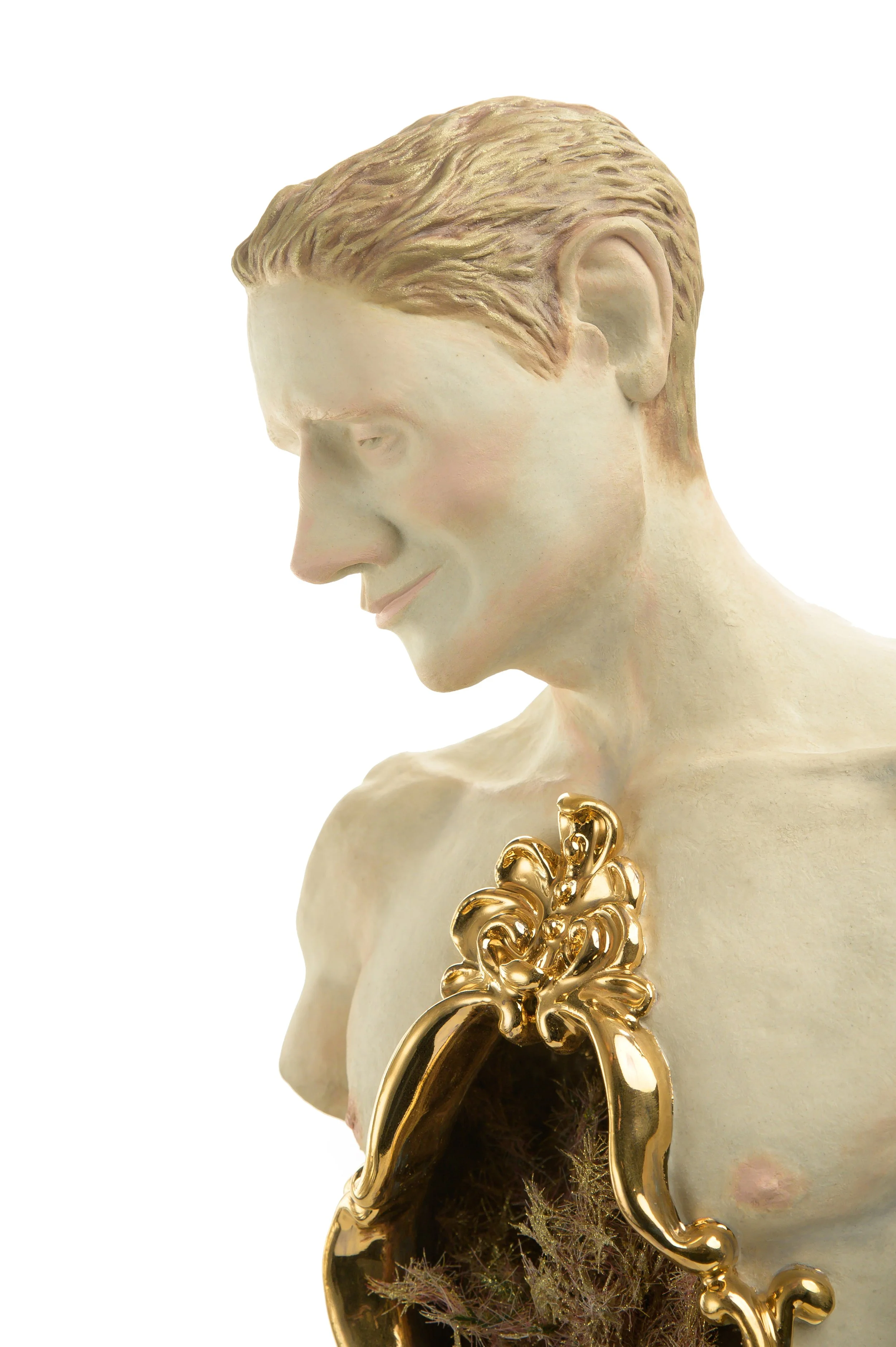
HUMAN CERAMICS
FOUNDATION
The Human Ceramics Foundation is a 501(c)3 nonprofit organization dedicated to providing a space for self-expression, emotional support, and community connection for marginalized populations through ceramic art practices.
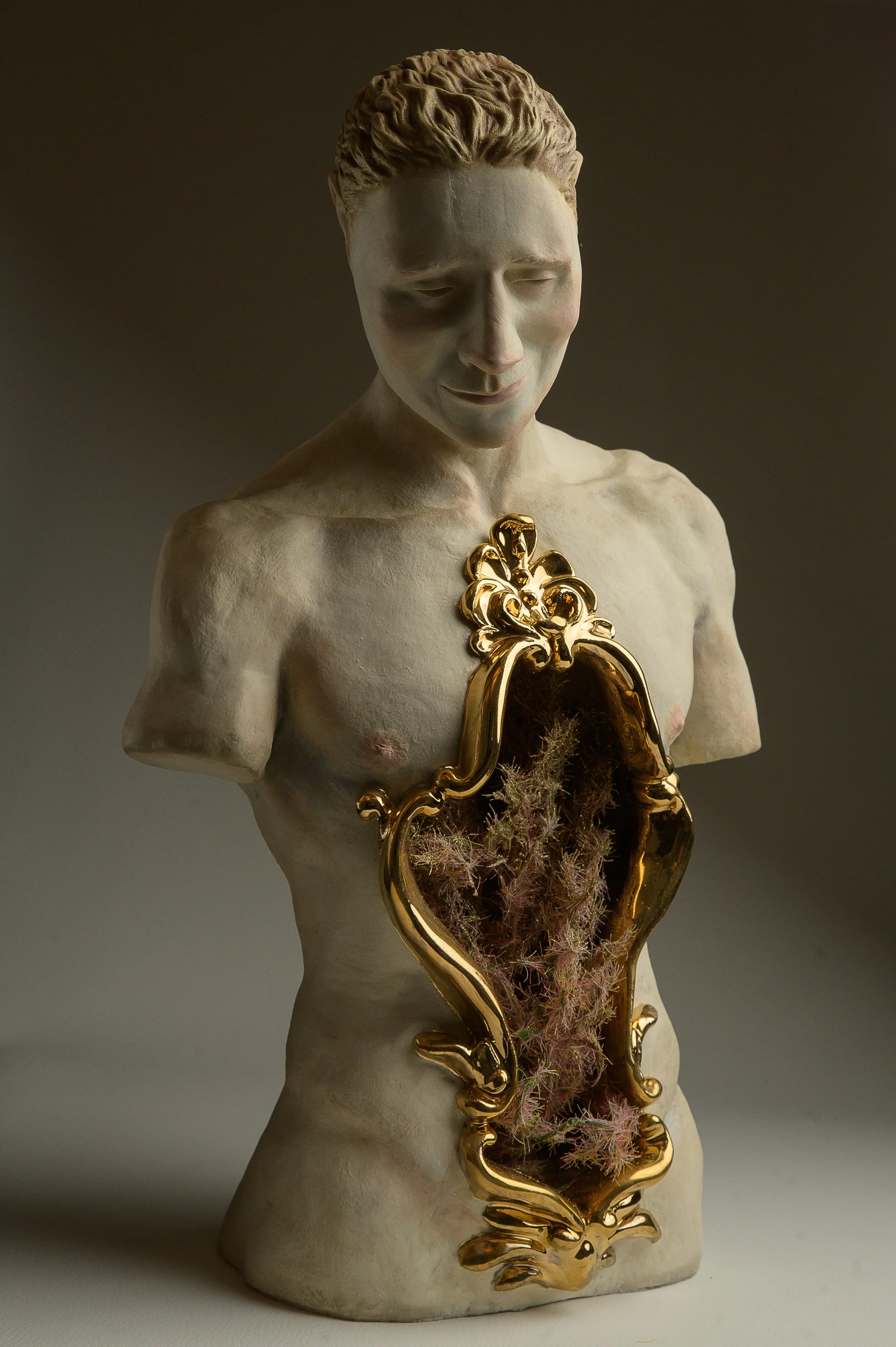
MISSION STATEMENT
Human Ceramics Foundation aims to foster healing, community, and self-expression among individuals from marginalized communities through art practices and community-based support.
VISION STATEMENT
Human Ceramics Foundation will create safe spaces nationwide where individuals from marginalized communities have equitable access to creative expression, mental health support, and environments that foster healing, connection, and belonging.

DROPS OF COLOR
PEER SUPPORT GROUP
-
Drops of Color Project aims to provide a space for support, self-expression, and community connection through free peer support groups for young adults who identify as LGBTQ+. The primary goal of these groups is to create a space where participants can offer mutual support while engaging in clay-based art activities to facilitate emotional expression and grounding.
-
The LGBTQ+ community is at an increased risk of depression, anxiety, suicidal ideation, HIV, sexually transmitted infections (STIs), adverse mental health outcomes, and increased mortality (Dentato, 2018; Hatzenbuehler et al., 2024; McDonald, 2018). This community also faces higher rates of substance use (McDonald, 2018; Williams et al., 2021; Xin et al., 2023) and show a greater risk of developingPTSD compared to cisgender and heterosexual individuals (Marchi et al., 2023).
Research indicates a strong association between health disparities and social constraints. Gender and sexual minorities often encounter limited community support (Marchi et al., 2023) and are more likely to experience rejection, isolation, and discrimination from their biological families, the healthcare system, and community organizations (Hailey et al., 2020). Additionally, this community is at a greater risk of victimization and traumatic events, including childhood abuse, hate crimes, harassment, domestic violence, and sexual assault (Belsher et al., 2017; Hailey et a., 2020; Marchi et al., 2023; Williams, 2021).
Research suggests that family-like social support networks, such as chosen families, peer support, and inclusive community support programs, can mitigate the effects of discrimination, victimization, and many of the disparities faced by the LGBTQ+ community (Hailey et al., 2020; Kia et al., 2021). Such interventions are linked to improved self-esteem, better coping skills, increased resilience, and stronger community connections, reduced psychological distress, fewer depressive symptoms, lower rates of suicidality and mental health disorders, decreased substance use, and diminished feelings of isolation (Hailey et al., 2020; Kia et al., 2021; McDonald, 2018). -
66% of LGBTQ+ young people reported experiencing recent symptoms of anxiety (Trevor Project, 2024).
53% of LGBTQ+ young people reported experiencing recent symptoms of depression (Trevor Project, 2024).
39% of LGBTQ+ young people seriously considered attempting suicide in the past year (Trevor Project, 2024).
46% of transgender and nonbinary young people considered attempting suicide in the past year
(Trevor Project, 2024).12% of LGBTQ+ young people attempted suicide in the past year (Trevor Project, 2024).
71% of the 31,800 estimated new HIV infections in the US in 2022 were among
gay and bisexual men(CDC, 2024).47% of LGBTQ youth under the age of 21 used alcohol in the last year (Trevor Project, 2022).
28% of transgender and nonbinary young people reported that they have been physically
threatened or harmed in the past year due to their gender identity (Trevor Project, 2024).60% of LGBTQ+ young people reported that they have felt discriminated against in the past year due to their sexual orientation or gender identity (Trevor Project, 2024).
13% of LGBTQ+ young people described the community where their currently live very
unaccepting, and 23% described their community as somewhat unaccepting (Trevor Project, 2024).
-
Drops of Color is a six-week ceramic support group designed for LGBTQ+ young adults ages 18 to 34. Each 90-minute session provides participants with the opportunity to learn the fundamentals of hand-building, build meaningful relationships, and explore emotions through creative expression in an inclusive and affirming environment. All materials, tools, instruction, and kiln firings will be provided free of charge to participants. No prior ceramics experience required.
-
Monday June 22, 2026 from 4:30 p.m. to 6:00 p.m.
Monday June 19, 2026 from 4:30 p.m. to 6:00 p.m.
Monday July 6, 2026 from 4:30 p.m. to 6:00 p.m.
Monday July 13, 2026 from 4:30 p.m. to 6:00 p.m.
Monday July 27, 2026 from 4:30 p.m. to 6:00 p.m.
Sol City Clay
943 S Gilbert Rd. Unit 102
Mesa, AZ 85204 -
Be between 18 and 34 years of age.
Identify as part of the LGBTQ+ community.
Have reliable transportation and be able to attend all six peer support sessions.
Be willing to participate respectfully in a group setting.
Be open to engaging in creative expression through ceramics and hand-building activities.
Be willing to follow studio safety guidelines and facilitator instructions.
Participants must complete a brief screening and intake process prior to participation.
Individuals currently experiencing a mental health crisis requiring a higher level of care may be referred to more appropriate support services before participating.
-
Belsher, B. E., Ruzek, J. I., Bongar, B., & Cordova, M. J. (2017). Social constraints, posttraumatic cognitions and posttraumatic stress disorder in treatment-seeking trauma survivors: Evidence for a social-cognitive processing model. Journal of Anxiety Disorders, 26(1), 118–126. https://doi.org/10.1016/j.janxdis.2011.09.006
Centers for Disease Control and Prevention. (2024). HIV and gay and bisexual men. https://www.cdc.gov/hiv/data-research/facts-stats/gay-bisexual-men.html
Dentato, M. P. (Ed.). (2018). Social work practice with the LGBTQ community: The intersection of history, health, mental health, and policy factors. Oxford University Press.
Hailey, J., Burton, W., & Arscott, J. (2020). We are family: Chosen and created families as a protective factor against racialized trauma and anti-LGBTQ oppression among African American sexual and gender minority youth. Journal of GLBT Family Studies, 16(2), 176–191. https://doi.org/10.1080/1550428X.2020.1724133
Hatzenbuehler, M. L., Lattanner, M. R., McKetta, S., & Pachankis, J. E. (2024). Structural stigma and LGBTQ+ health: a narrative review of quantitative studies. The Lancet.
Public Health, 9(2), e109–e127. https://doi.org/10.1016/S2468-2667(23)00312-2
Marchi, M., Travascio, A., Uberti, D., De Micheli, E., Grenzi, P., Arcolin, E., Pingani, L., Ferrari, S., & Galeazzi, G. M. (2023). Post-traumatic stress disorder among LGBTQ
people: a systematic review and meta-analysis. Epidemiology and Psychiatric Sciences, 32, Article e44. https://doi.org/10.1017/S2045796023000586
McDonald, K. (2018). Social Support and Mental Health in LGBTQ Adolescents: A review of the literature. Issues in Mental Health Nursing, 39(1), 16–29.
https://doi.org/10.1080/01612840.2017.1398283
The Trevor Project. (2024). U.S. National Survey on the Mental Health of LGBTQ+ Young PeopleThe Trevor Project. (2022). Substance Use and Suicide Risk Among LGBTQ Youth.
Williams, A. J., Jones, C., Arcelus, J., Townsend, E., Lazaridou, A., & Michail, M. (2021). A systematic review and meta-analysis of victimisation and mental health prevalence among LGBTQ+ young people with experiences of self-harm and suicide. PloS One, 16(1), e0245268. https://doi.org/10.1371/journal.pone.0245268
Xin, Y., Schwarting, C. M., Wasef, M. R., & Davis, A. K. (2023). Exploring the intersectionality of stigma and substance use help-seeking behaviors among lesbian, gay, bisexual, transgender, queer, questioning or otherwise gender or sexuality minority (LGBTQ+) individuals in the United States: A scoping review. Global Public Health, 18(1),
Article 2277854. https://doi.org/10.1080/17441692.2023.2277854 -
Individuals interested in participating may register by completing a brief online questionnaire. Please click on the button below and answer a few questions to help determine eligibility.
SPONSOR
Founded by a husband-and-wife team excited to share their love of clay, Sol City Clay is designed to be a welcoming place where both beginners and experienced makers can slow down, get their hands dirty, and create work they’re proud of.
Sol City Clay offers memberships, workshops, and open studio time—making pottery accessible whether you’re carving out a weekly ritual or dropping in to recharge. Our studios are thoughtfully equipped for real making and real growth, including pottery wheels, hand-building tables, slab rollers, clay extruders, and a full firing program.
HELP US KEEP
DROPS OF COLOR FREE
The Human Ceramics Foundation believes that everyone deserves a place where they feel seen, supported, and connected. Through ceramic art, we create opportunities for individuals from marginalized communities to express themselves, build meaningful relationships, and experience the healing power of creativity.
Your support helps us provide all materials, tools, and kiln firings free of charge, ensuring that financial barriers never prevent someone from participating. Every donation, no matter the amount, helps create opportunities for connection, creativity, and community. Thank you for believing in our mission and helping us build a more connected, compassionate, and creative community. We truly couldn't do this work without people like you.
501(c)(3) Tax-Exempt Status
Human Ceramics Foundation is a tax-exempt public charity recognized under Section 501(c)(3) of the Internal Revenue Code. Donations are tax-deductible to the fullest extent permitted by law.
BOARD MEMBERS
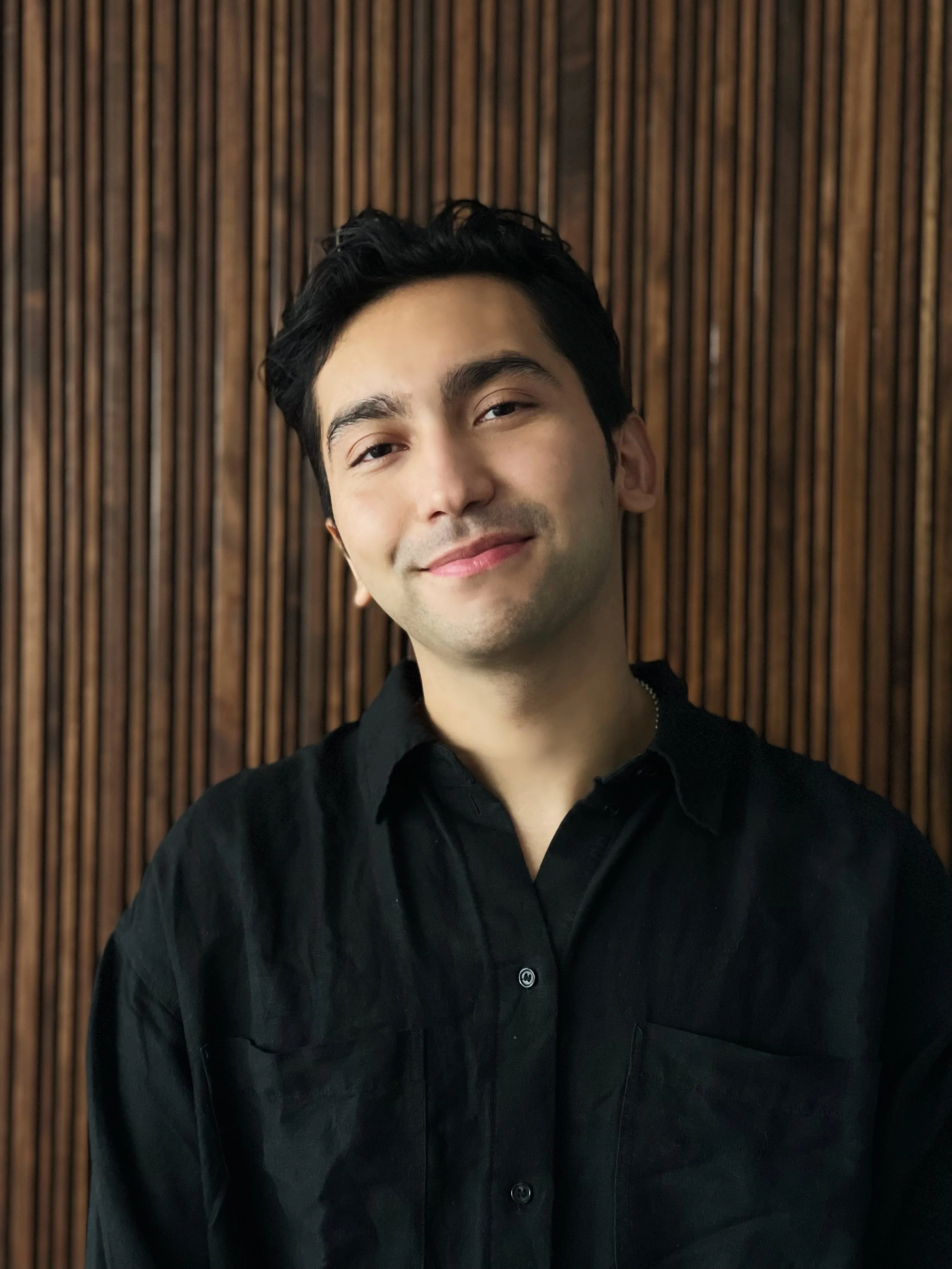
ERICK MARTINEZ GREGORY
PRESIDENT
DEB NORTON
TREASURER
PALOMA GARCIA
SECRETARY
OUR
STORY
Human Ceramics Foundation was founded in 2026 by Erick Martinez Gregory, Paloma Garcia, and Deb Norton with a shared belief that creativity has the power to bring people together, foster healing, and create meaningful human connections. Inspired by Erick's journey as a ceramic artist and social worker, the foundation was created to expand access to ceramic arts for individuals who may face barriers to creative opportunities and supportive communities. Recognizing that healing often happens through connection, Human Ceramics Foundation combines artistic expression with community-based programming to provide welcoming spaces where individuals can explore creativity, build relationships, and feel a sense of belonging. Today, the foundation offers free ceramic art workshops, peer support programs, and educational opportunities designed to encourage self-expression, emotional support, and community connection among underserved and marginalized populations.